


In 2026, fashion observers note an 18% increase in the adoption of sculptural tailoring styles, reflecting a growing fascination with garments shaped like works of art rather than simple clothing. The dialogue between Alexander Calder’s floating sculptures in Paris and the discipline of tailoring reveals the same pursuit of equilibrium, where structure meets movement and form finds its perfect balance.
Key Takeaways
| Question | Answer |
|---|---|
| Why is Calder relevant to fashion today? | Calder’s mobiles demonstrate balance between weight and air, a principle echoed in contemporary tailoring. |
| What defines sartorial balance? | A harmony between structured cuts and fluid movement in garments, similar to kinetic sculpture. |
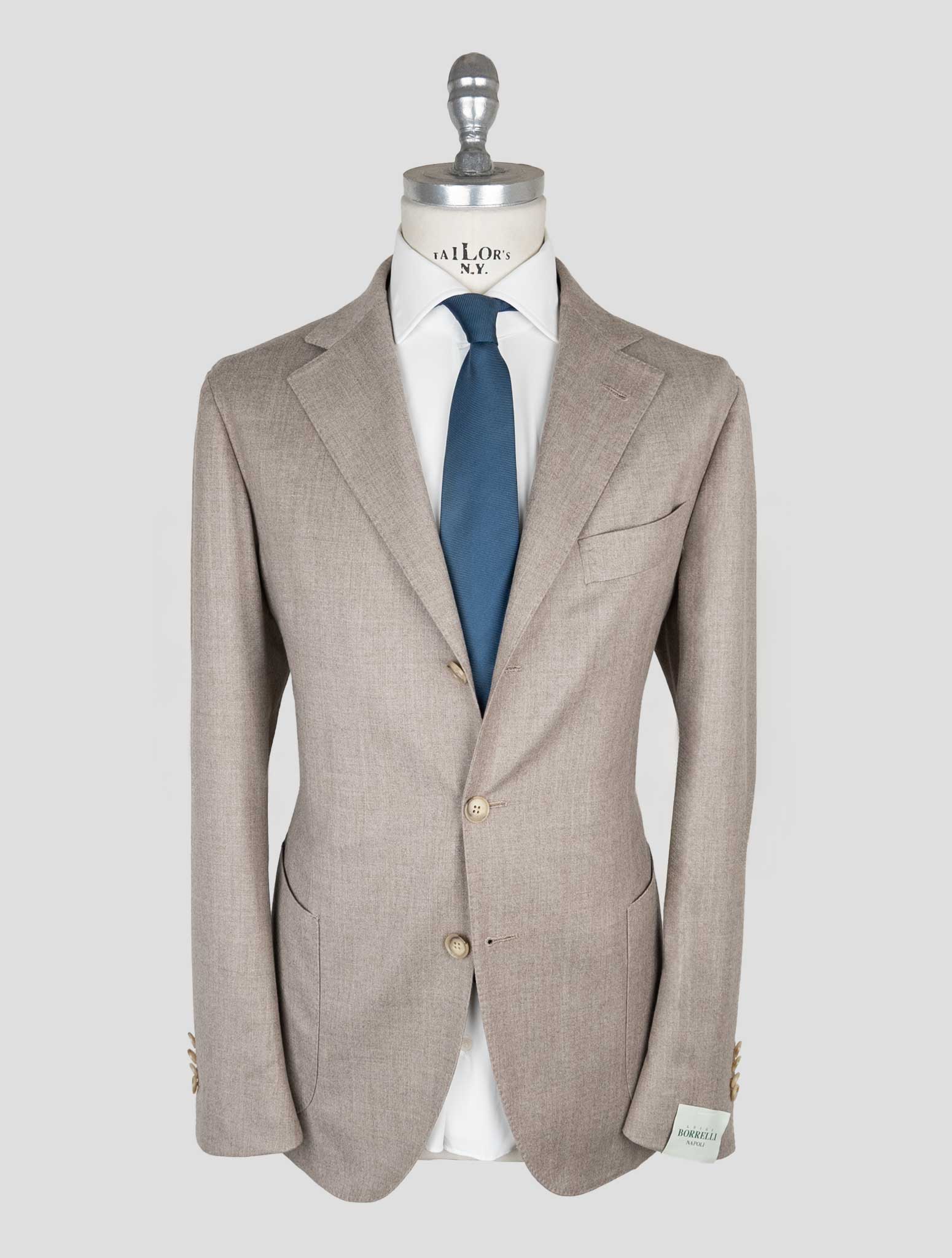
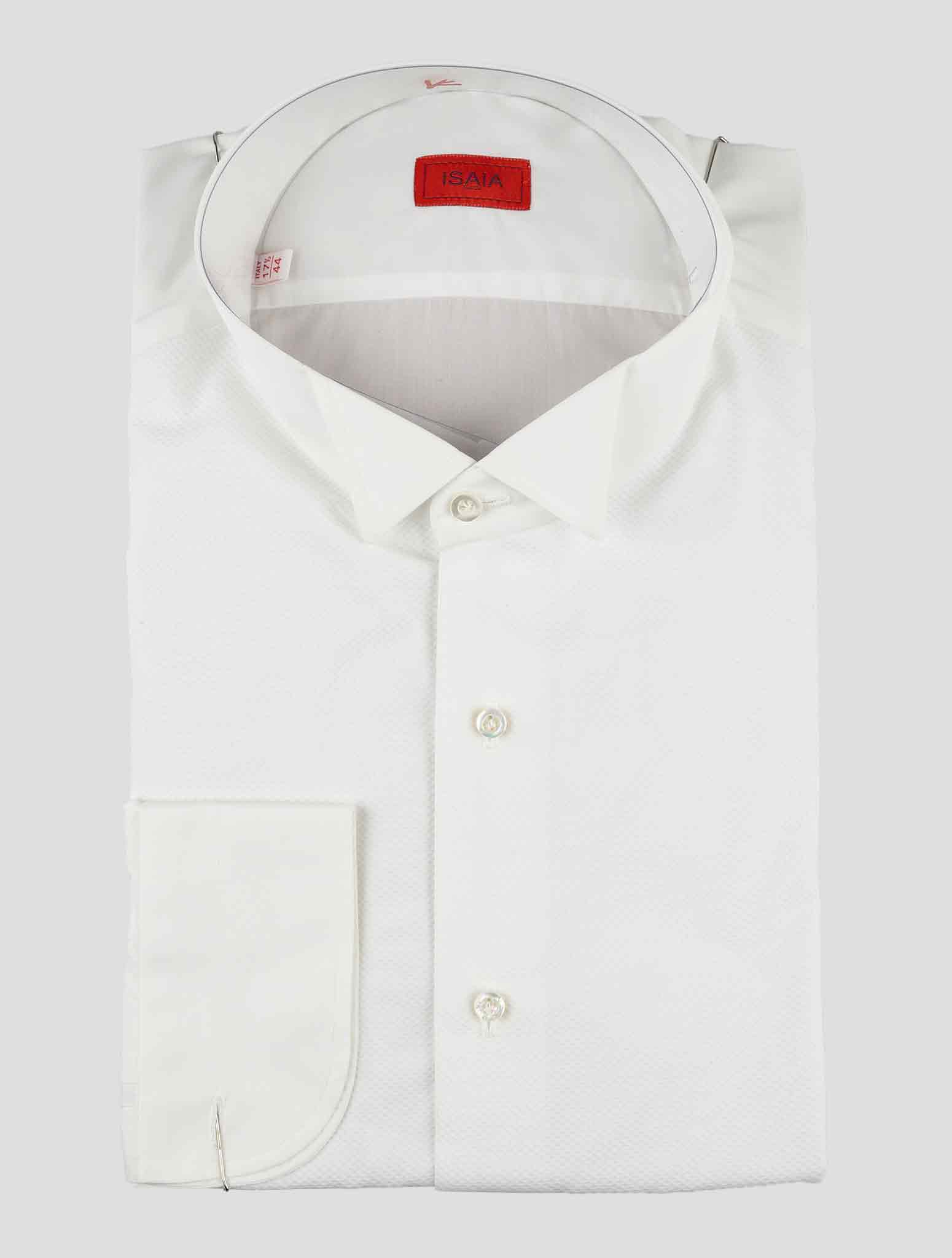
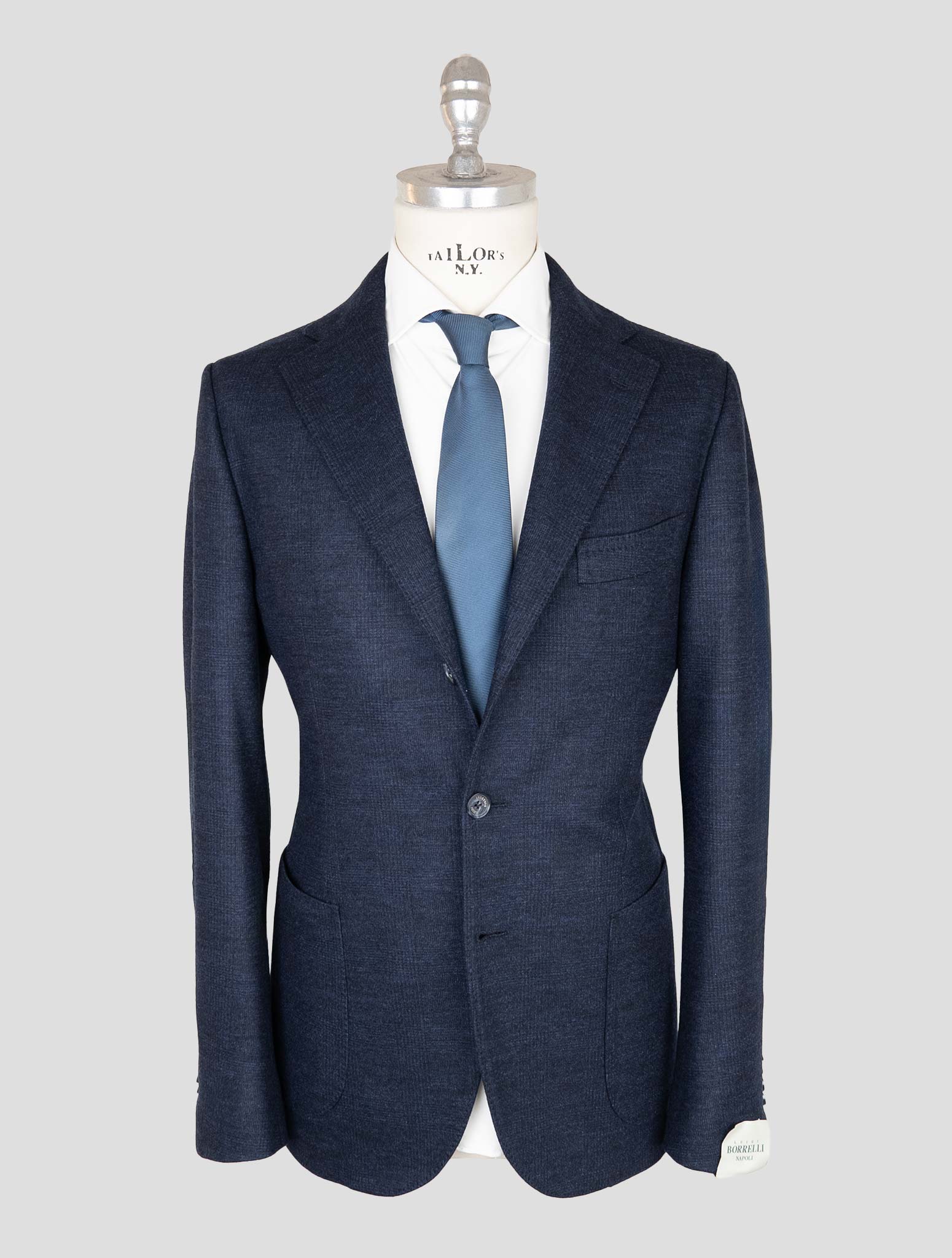
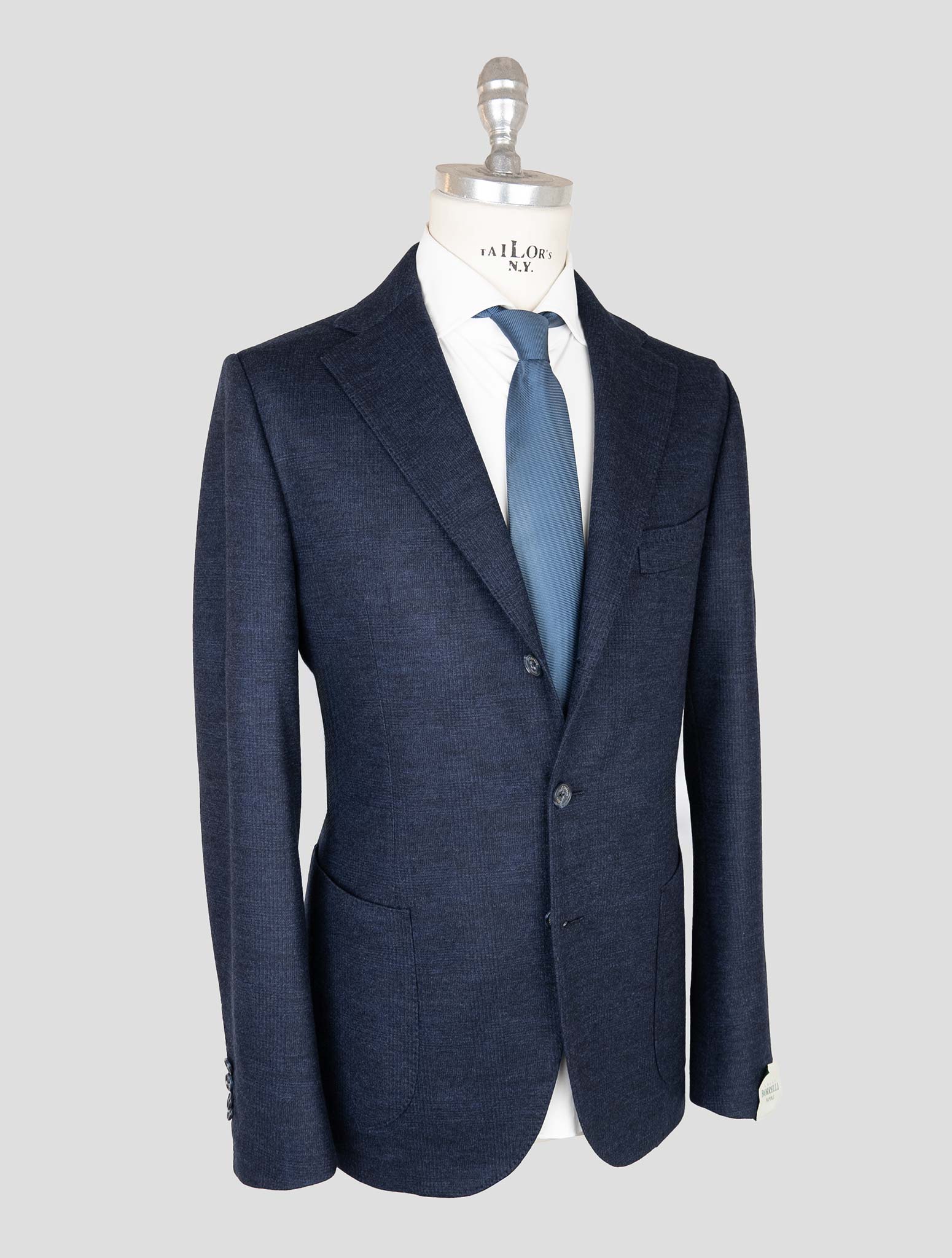
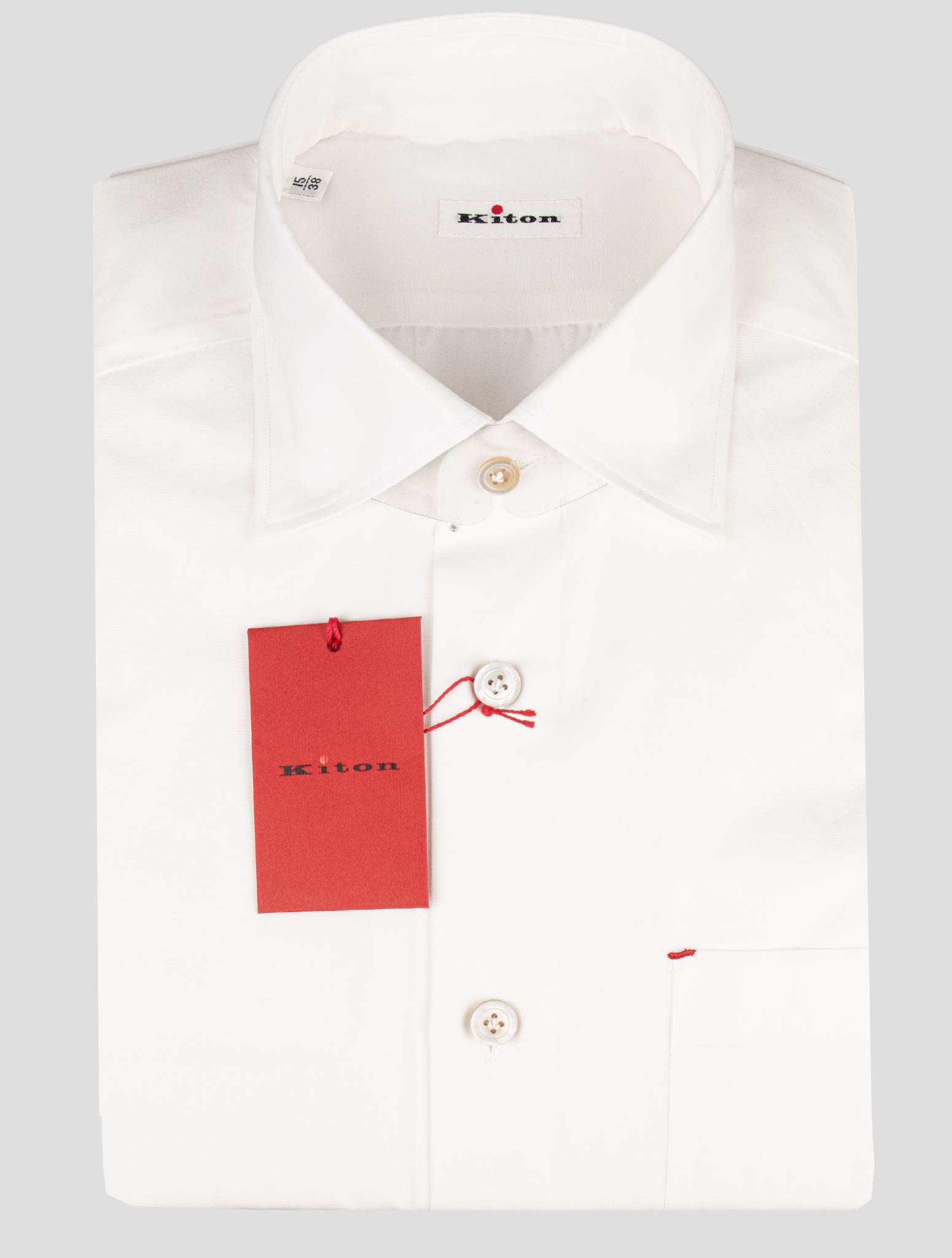
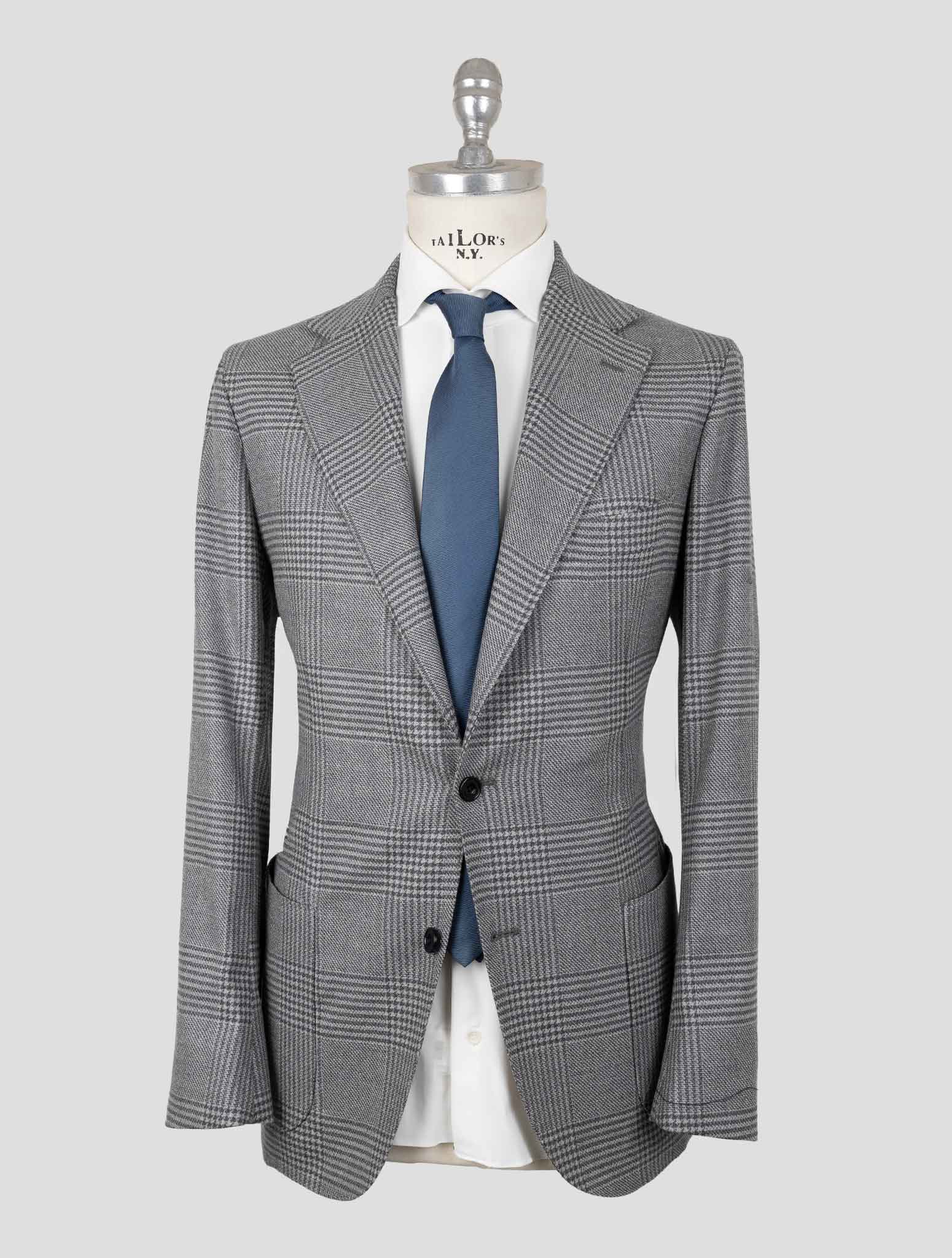
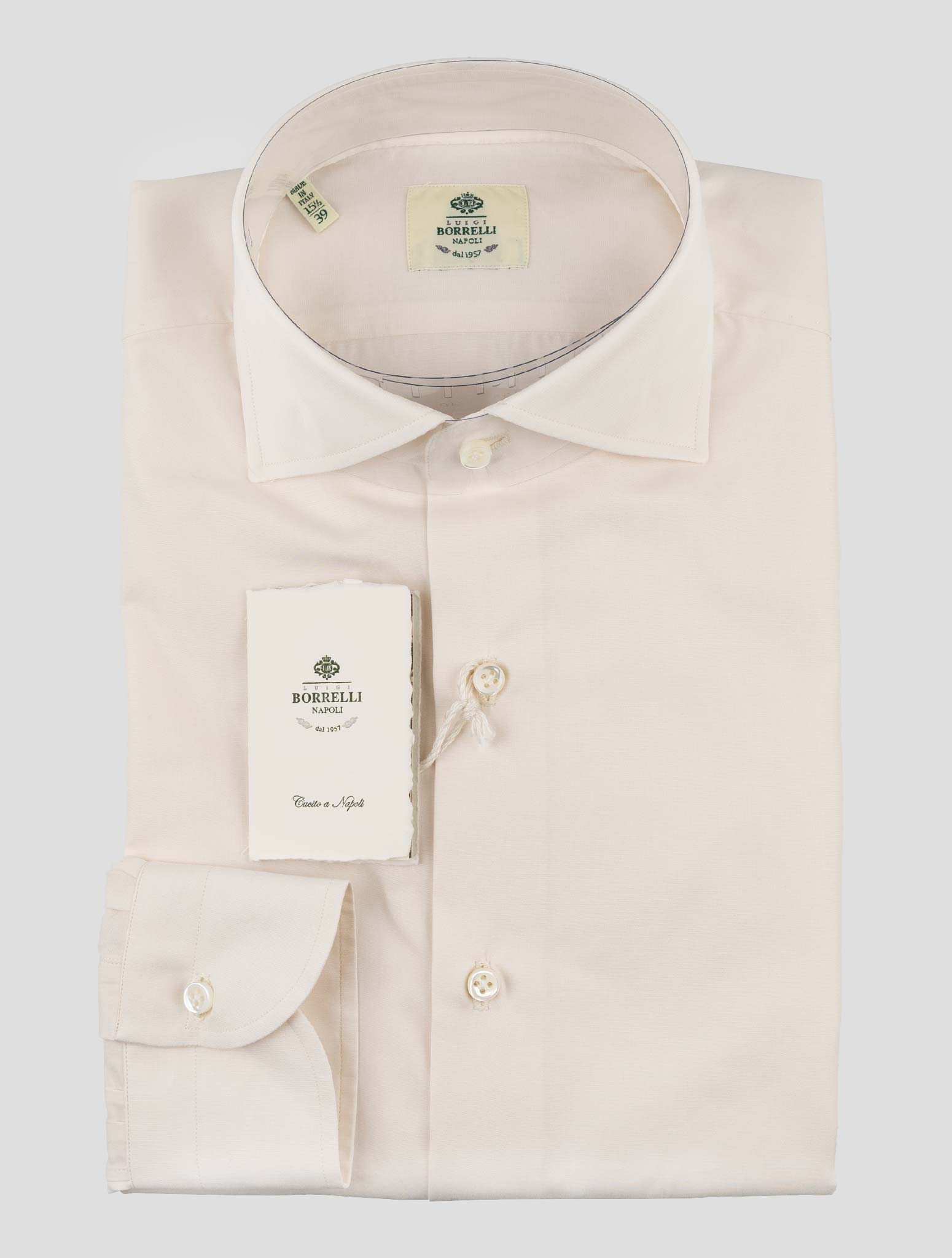
| Which garments illustrate this sculptural approach? | Examples include the Luigi Borrelli gray virgin wool silk suit and the Isaia white cotton shirt. |
| How does tailoring mirror sculpture? | Tailors calculate proportion, tension, and flow much like sculptors balance metal elements. |
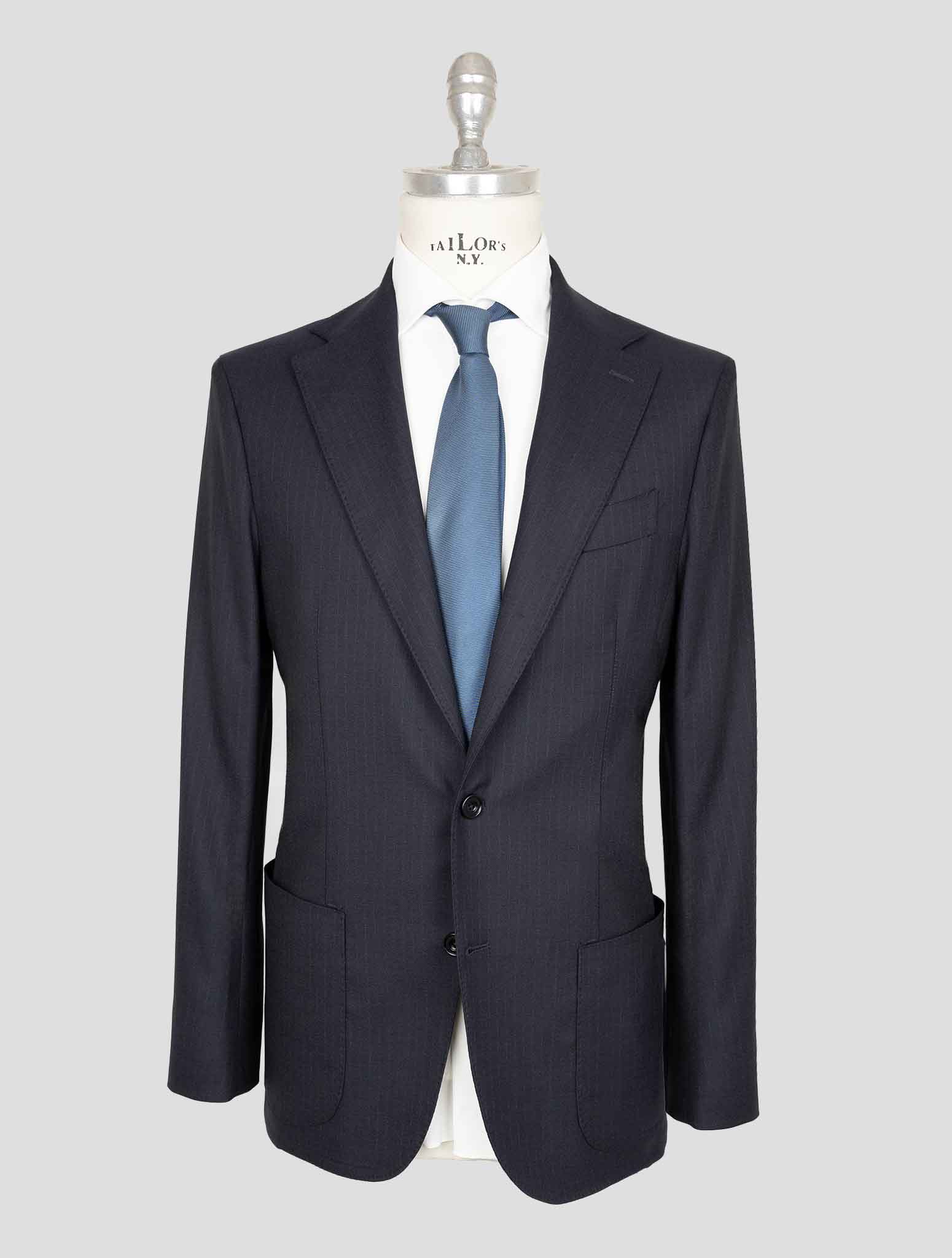
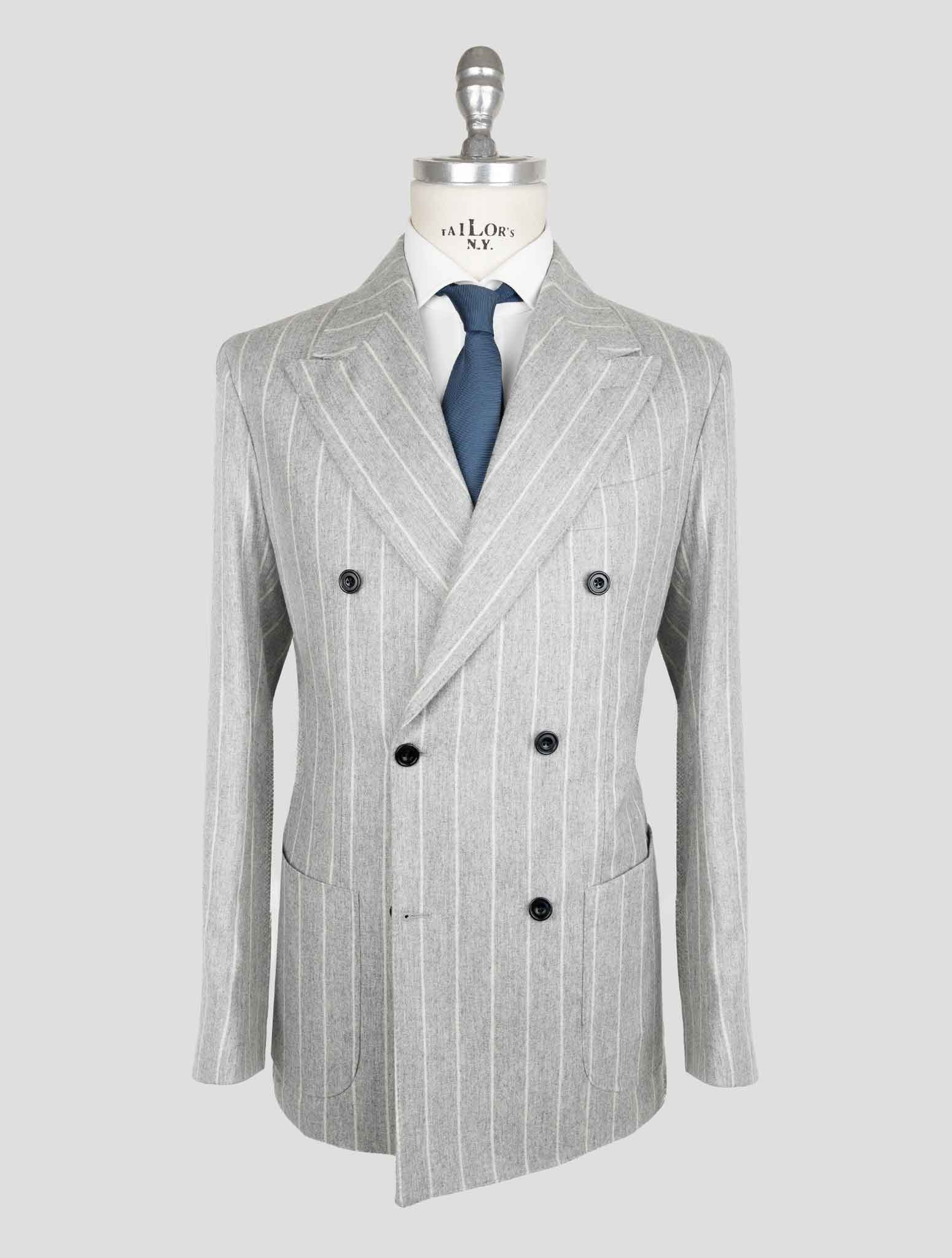
| Where can this aesthetic be seen in modern wardrobes? | Pieces like the Sartorio Napoli dark blue virgin wool suit reveal this harmony between firmness and motion. |
| What defines the 2026 tailoring mindset? | Precision structure paired with breathable fabrics and subtle movement. |
The Parisian Stage Where Art and Tailoring Meet
Paris has long been a laboratory for avant‑garde thought. Calder’s arrival in the city introduced sculpture that seemed to breathe with the air.
Tailoring shares this sensitivity. A jacket must stand firm yet respond naturally to the body’s motion.
We often interpret this relationship as a dialogue between gravity and lightness. A balanced suit echoes the quiet equilibrium of a Calder mobile.
The Philosophy of Balance in Calder’s Sculptures
Calder’s works are defined by suspended elements that shift with the slightest breeze. Every rod and plate participates in a careful mathematical relationship.
Tailoring follows a similar logic. A lapel angle, shoulder slope, and sleeve pitch must work together so the garment rests naturally on the body.
This approach values precision over excess. The result is visual calm.
Sculptural Tailoring in 2026
Designers in 2026 increasingly approach garments as three dimensional compositions. Cloth behaves like a medium that must balance weight and tension.
The philosophy appears clearly in structured wool suits. Panels act like sculptural planes that guide movement.
- Defined shoulders create architectural presence
- Soft canvassing maintains flexibility
- Fine wool provides fluid drape
These details echo the visual clarity of Calder’s work.
Explore how Calder's kinetic forms echo sartorial balance in Paris. This infographic highlights three parallels between sculpture and style.
Luigi Borrelli: Geometry and Precision
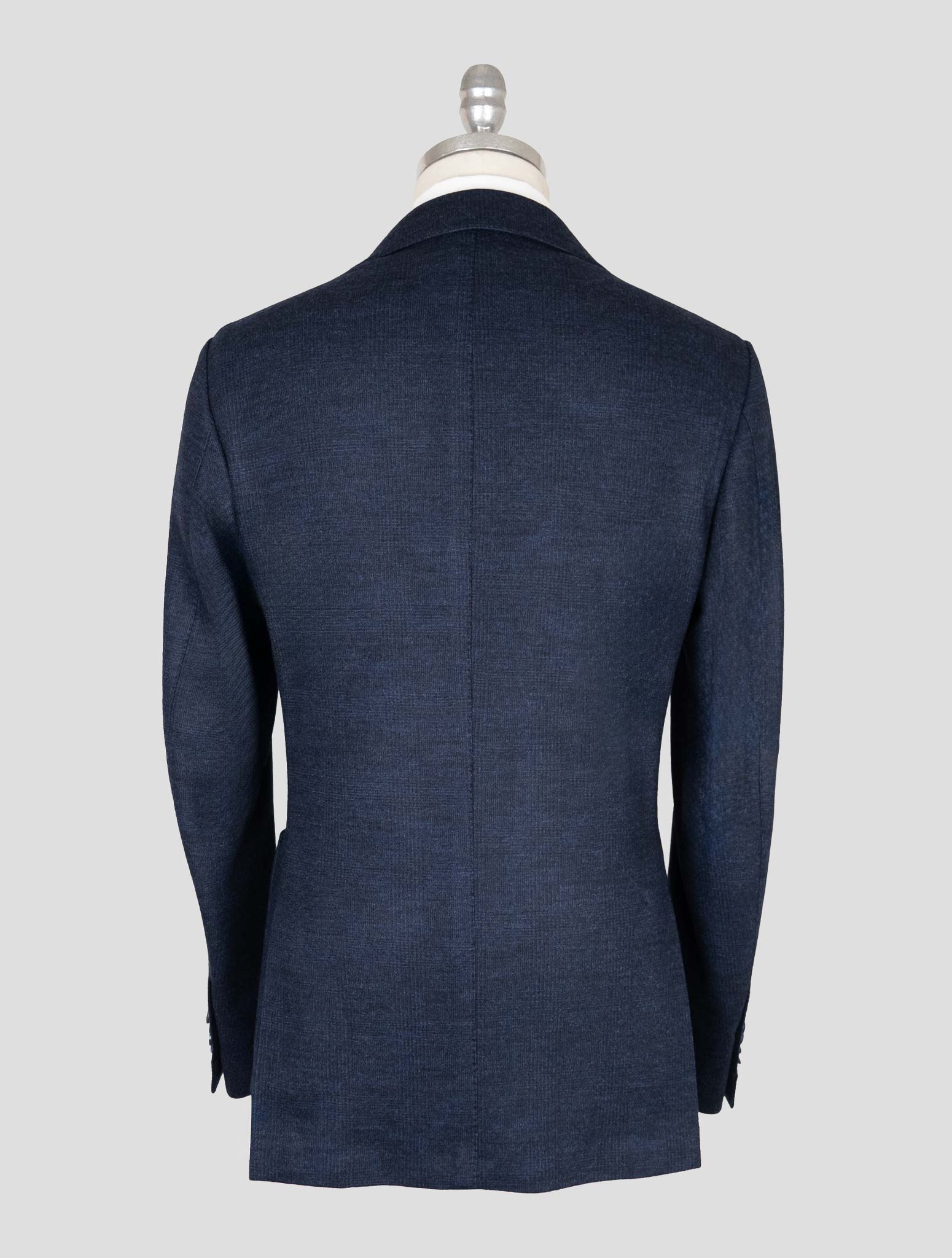
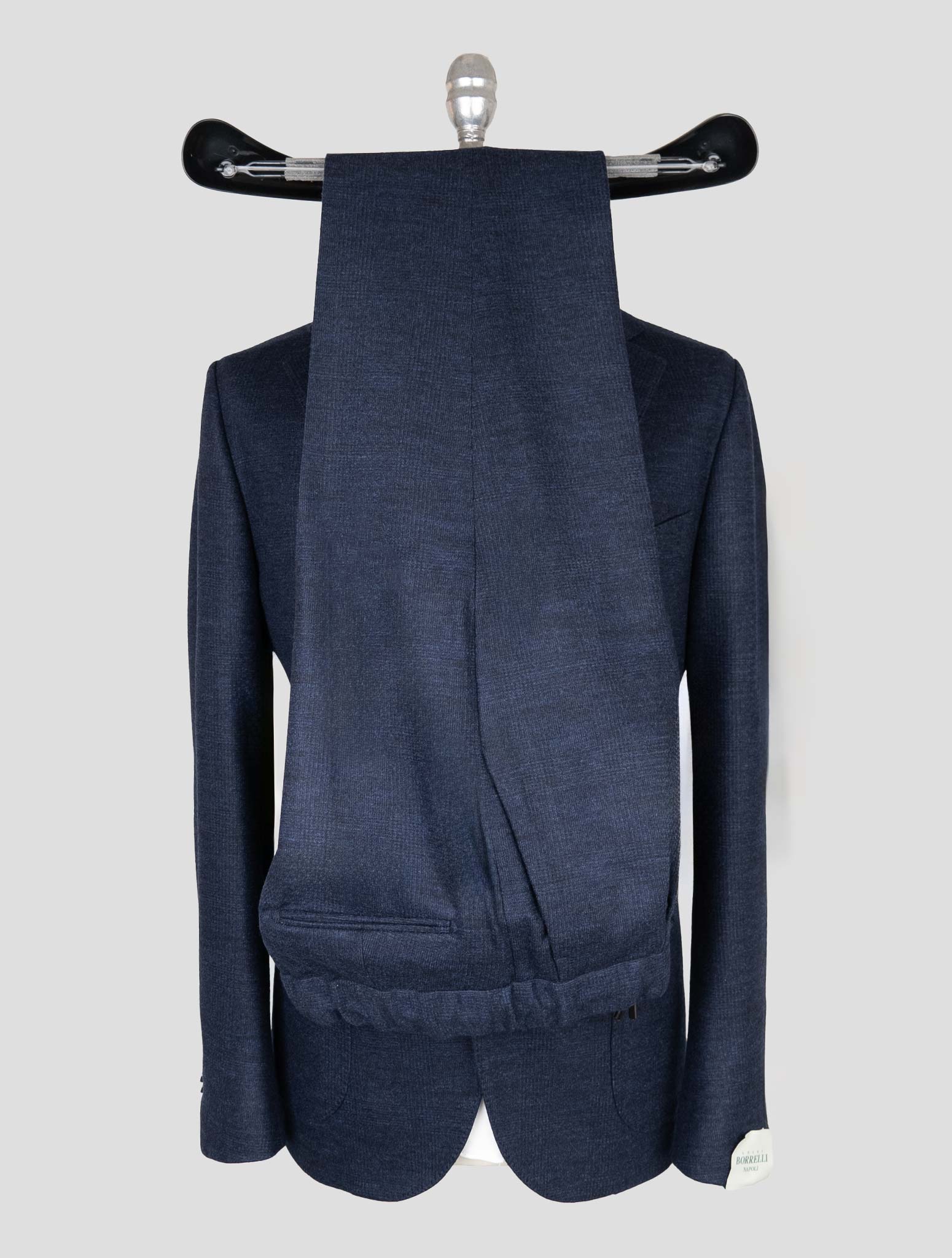
Luigi Borrelli tailoring expresses calm precision. Each seam feels intentional.
The brand’s suits show how Italian craftsmanship interprets sculptural thinking. Clean silhouettes maintain structure while allowing natural movement.
The result resembles Calder’s balanced compositions. Every element appears light even when built on careful engineering.
Isaia Shirts and the Art of Movement
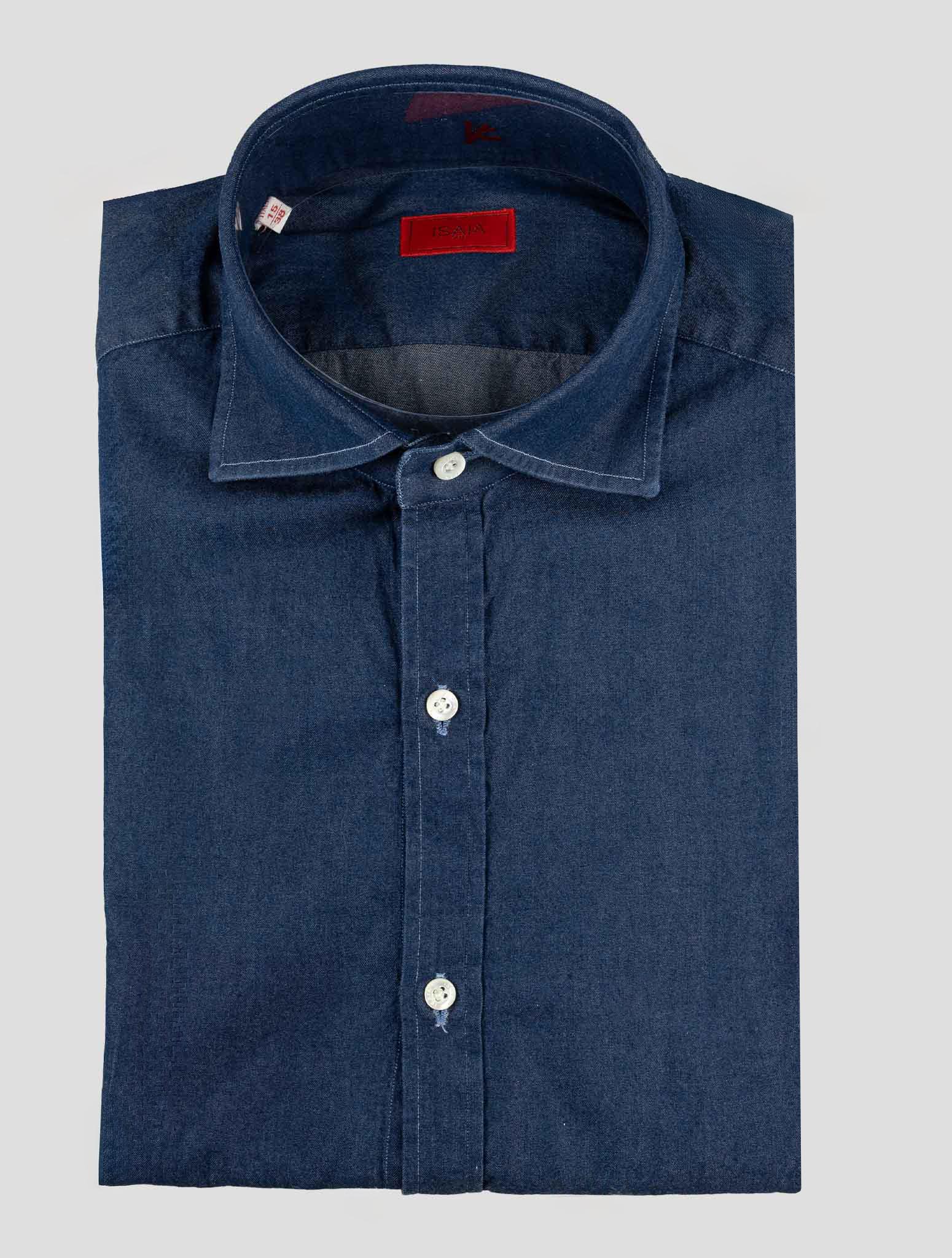
Shirts provide the fluid counterpart to structured jackets. Their light fabrics create motion beneath the architecture of a suit.
In Calder’s mobiles, suspended plates respond gently to air currents. A finely tailored shirt behaves similarly beneath outer layers.
Small details matter.
- Precise collar structure
- Lightweight cotton weave
- Natural drape across the torso
Sartorio Napoli and Architectural Suit Design
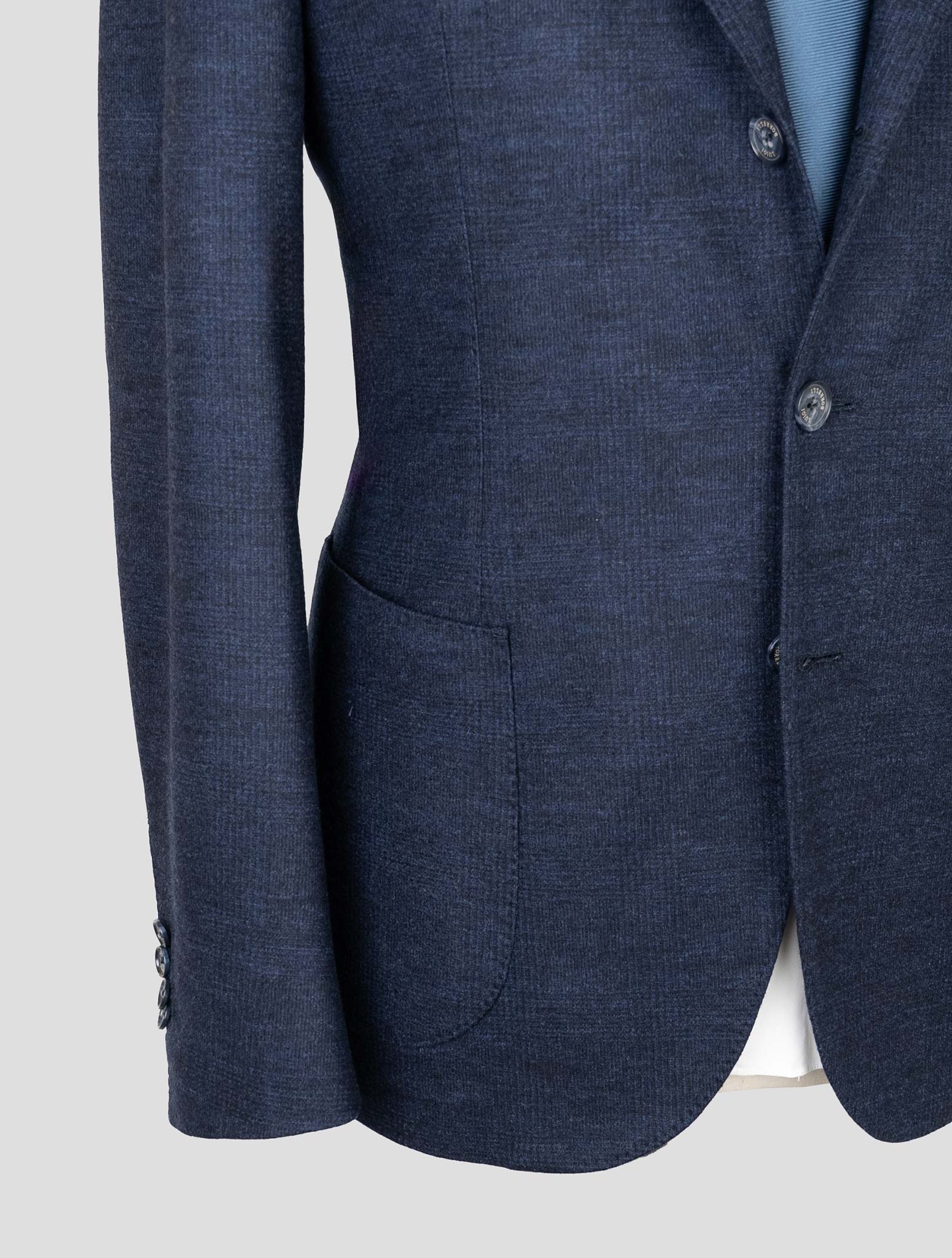
Sartorio Napoli explores strong structural tailoring. Jackets maintain clarity of line while remaining lightweight.
The double breasted silhouette demonstrates careful symmetry. It recalls the balanced arms of a Calder stabile.
| Tailoring Feature | Sculptural Parallel |
|---|---|
| Structured lapels | Metal plates in stabiles |
| Balanced buttons | Counterweights in mobiles |
| Precise seam alignment | Calder’s geometric rods |
The Role of Fabric in Sculptural Clothing
Fabric determines how a garment interacts with movement. Fine wool maintains shape while responding to motion.
Tailors think of cloth as engineers think of materials. Strength, flexibility, and weight must coexist.
Balance is achieved when structure supports movement without resisting it.
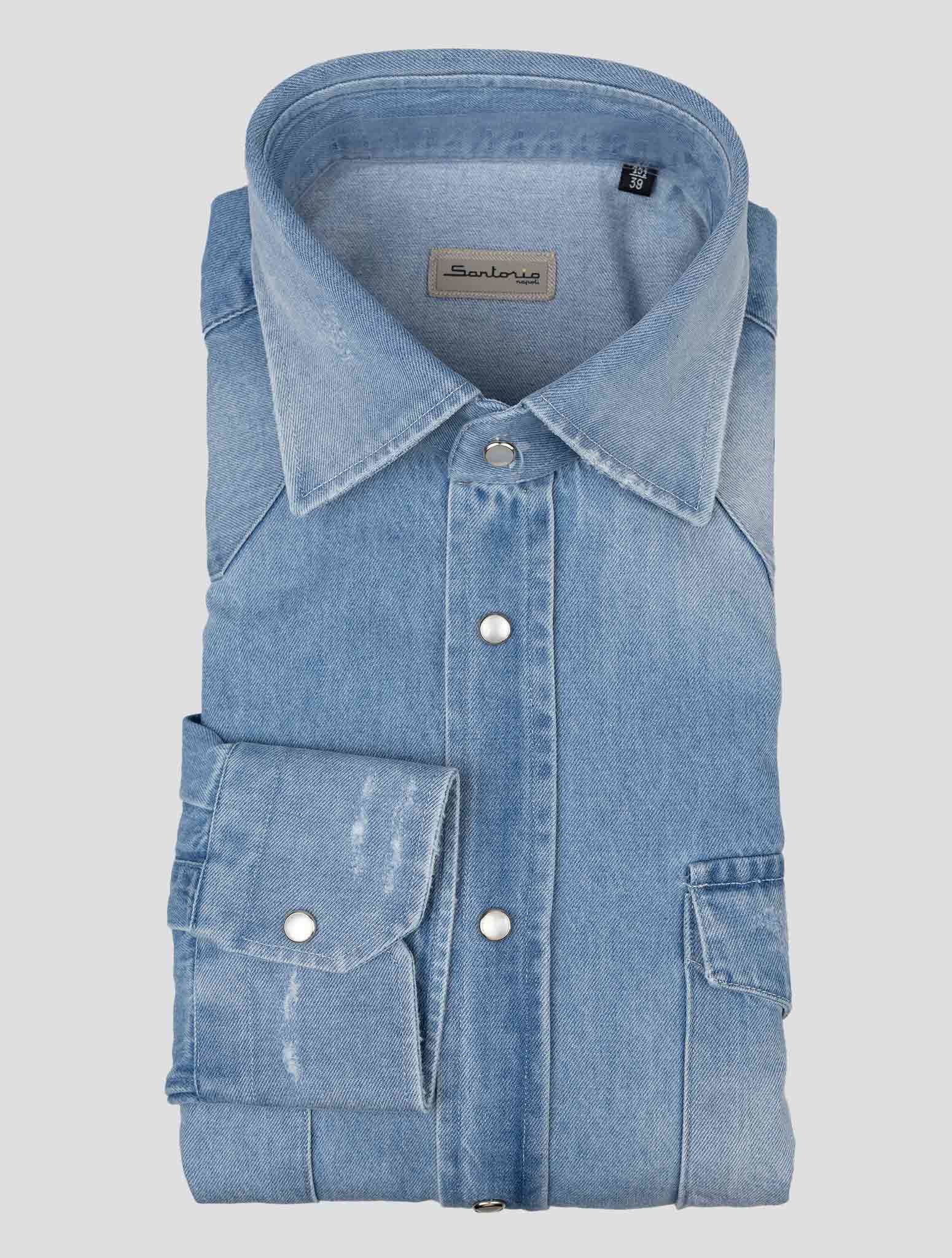
Layering and Counterbalance in Modern Wardrobes
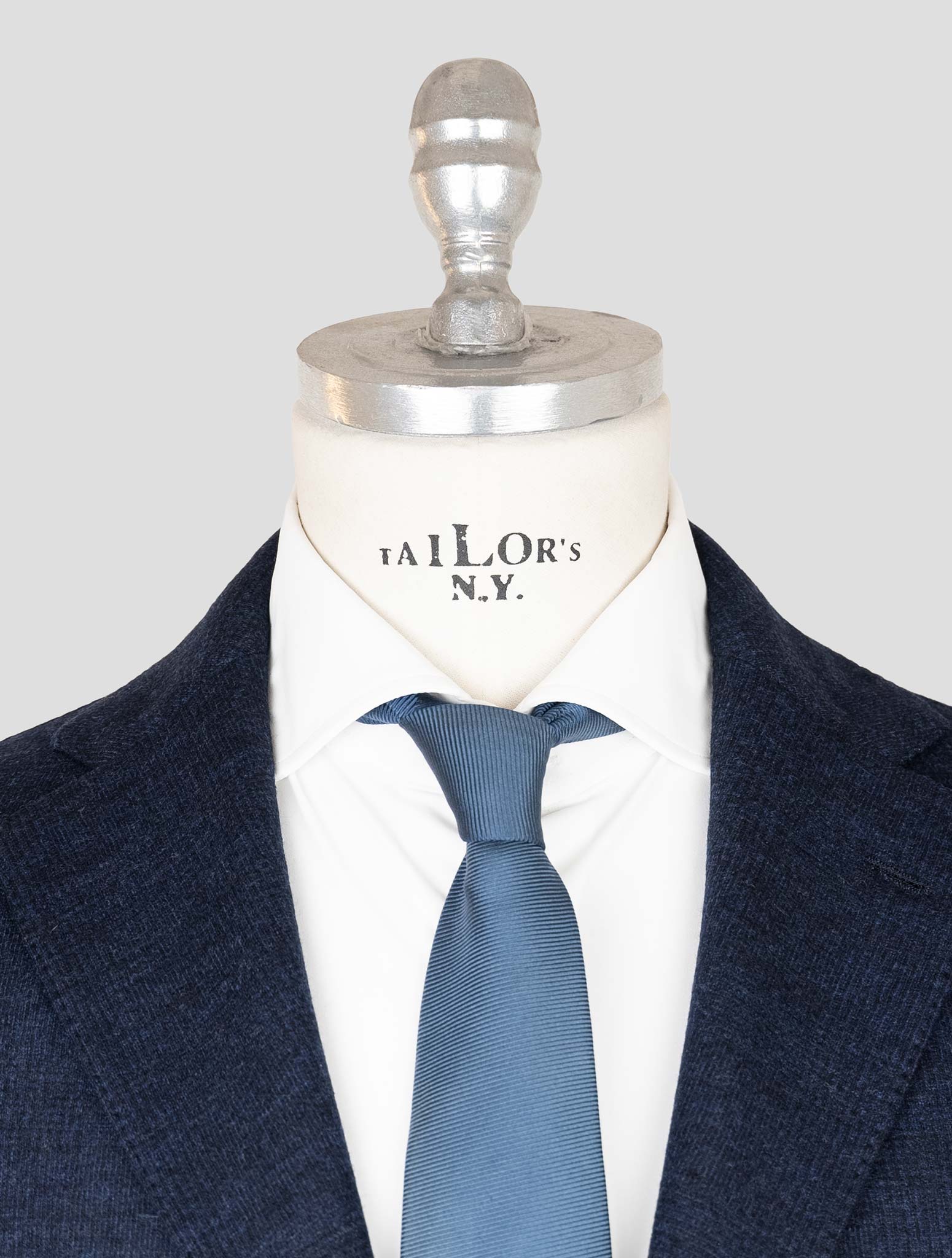
Calder balanced shapes of different weights. Tailoring applies the same thinking through layering.
A sweater beneath a jacket provides both warmth and visual counterweight.
- Light shirts create airflow
- Structured suits define silhouette
- Knitwear softens the composition

Fluid Forms and Draped Silhouettes
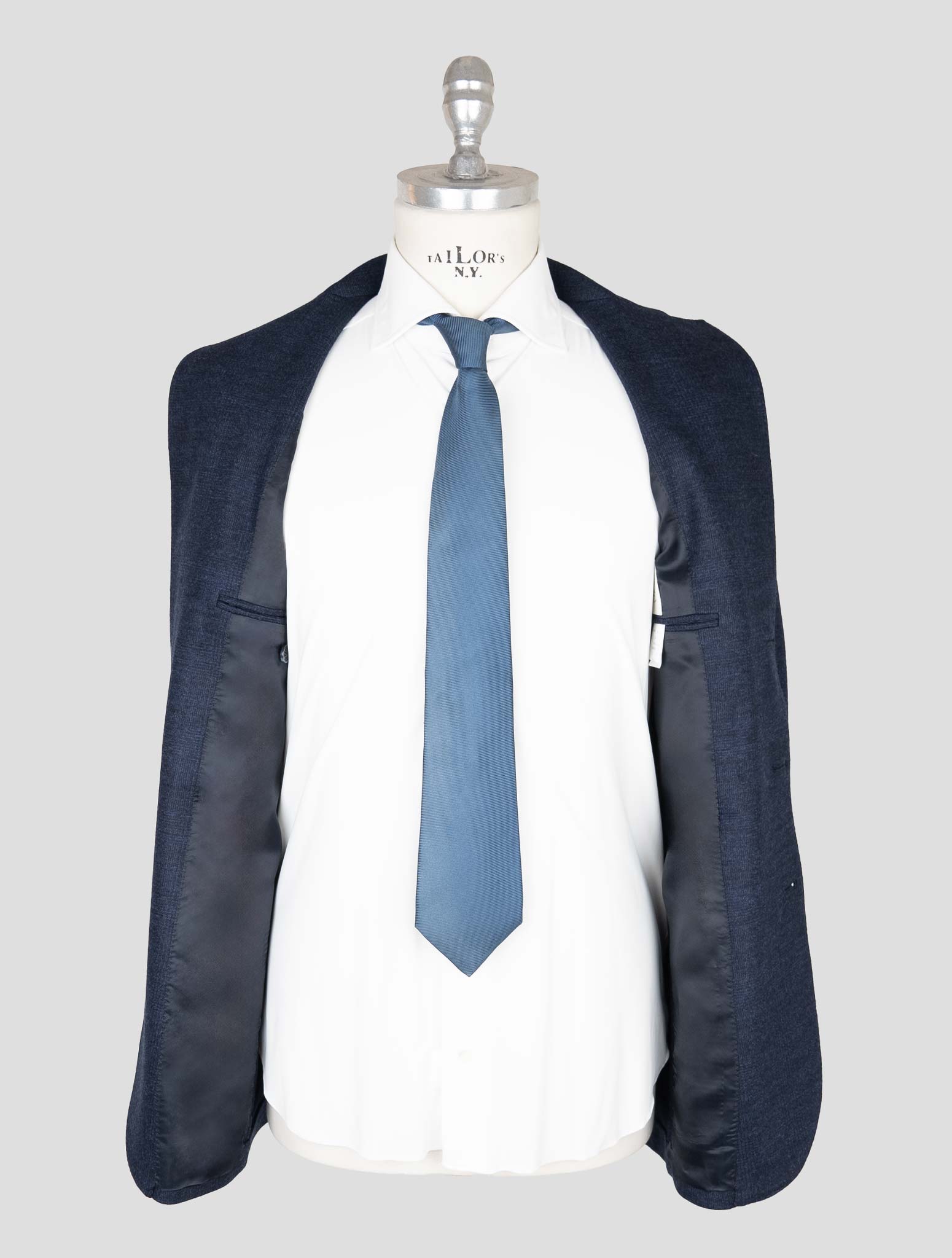
Some garments emphasize motion rather than rigid structure. This mirrors Calder’s mobiles drifting softly in space.
Fluid tailoring relies on lightweight construction and generous drape.
Why Paris Remains the Center of Artistic Tailoring
Paris continues to host exhibitions that unite art and fashion thinking. Museums, ateliers, and couture houses operate within a shared cultural conversation.
For us, the city represents an ongoing laboratory where sculpture and clothing inspire one another.
The result is clothing that behaves like a carefully balanced artwork.
Conclusion
Calder’s presence in Paris continues to shape how we think about form, motion, and equilibrium. His sculptures reveal that balance emerges from carefully considered relationships between elements.
Tailoring follows the same philosophy. When cloth, cut, and structure interact with precision, a garment achieves the quiet harmony that both sculpture and fashion pursue.
In 2026, the dialogue between art and tailoring remains vivid. Each well crafted suit becomes a small architectural composition, poised between gravity and movement.